


Libya’s Zawiya Oil Complex Hit by Drone Strikes as Questions Grow Over Who Is Responsible
Golden Page News | August 16, 2026
International | Africa | Energy & Security
ZAWIYA, LIBYA — A series of drone strikes targeting critical energy infrastructure in the western Libyan city of Zawiya has raised fresh concerns over security, political instability and the protection of the country’s oil industry.
The attacks targeted the Zawiya oil complex, including fuel-storage facilities near Libya’s largest operating refinery. One strike caused a major fire after a fuel tank containing about 4.5 million litres of gasoline collapsed. Libyan authorities said the fires were later brought under control, while the refinery itself escaped major structural damage. No casualties were reported.
But the central question remains unanswered: who carried out the attacks?

No group has publicly claimed responsibility, and Libyan authorities have not formally identified those behind the drone strikes. The absence of a confirmed perpetrator has added to concerns about the growing security tensions surrounding Zawiya, a strategically important city roughly 40 kilometres west of Tripoli.

A critical part of Libya’s energy system
The Zawiya complex is central to Libya’s domestic energy infrastructure. Its refinery has a processing capacity of approximately 120,000 barrels of crude oil per day and is connected to the 300,000-barrel-per-day Sharara oilfield
The recent attacks have therefore raised concerns beyond the immediate damage. Continued attacks on energy facilities could disrupt fuel supplies, discourage investment and further complicate efforts to rebuild Libya’s oil sector.
Libya’s National Oil Corporation has warned that continued attacks on energy infrastructure could force it to consider declaring force majeure.
Tensions surrounding Zawiya
The attacks come amid longstanding tensions between armed groups competing for influence in western Libya.
Zawiya has experienced repeated clashes involving rival armed factions, with disputes over security, territory and lucrative economic networks contributing to instability. Analysts have pointed to tensions involving local militia leader Mohamed Bahroun and the Tripoli-based authorities, although there is currently no confirmed evidence linking Bahroun or any particular faction to the latest drone attacks.
The situation became even more serious on August 12 when a drone attack struck a power substation in Zawiya, causing a major electricity outage. The incident led General Electric to suspend operations at the Zawiya power plant and withdraw technical personnel because of security concerns.
Growing concern for Libya’s energy security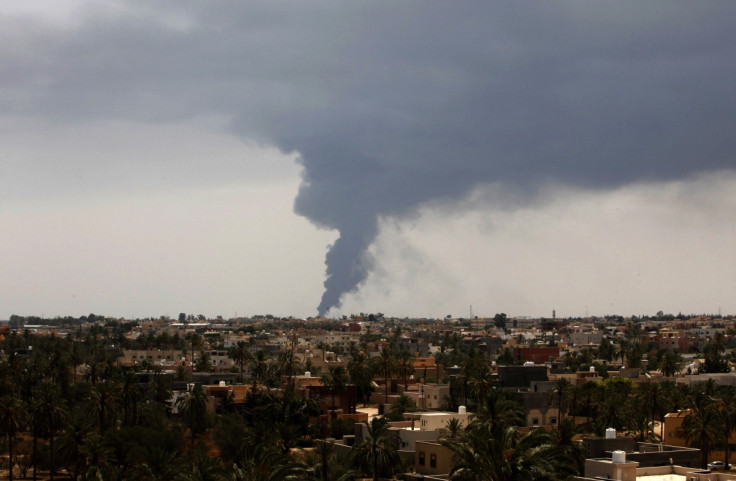
The repeated attacks demonstrate the vulnerability of Libya’s strategic infrastructure at a time when the country is attempting to increase oil production and attract investment.
Libya remains politically divided between rival centres of power, with armed groups continuing to exercise significant influence in parts of the country. That fragmented security environment makes the protection of major oil and electricity facilities increasingly difficult.
For residents and businesses, the immediate concern is whether further attacks could affect fuel and electricity supplies.
For Libya’s oil industry, the bigger question is whether the country’s critical infrastructure can be protected from becoming a target in the continuing struggle for power.
As investigations continue, responsibility for the Zawiya attacks remains officially unconfirmed. What is clear, however, is that the violence has placed one of Libya’s most important economic assets under renewed security pressure.
Golden Page News | People. Ideas. Opportunities.