


Emergency doctor on the challenges of caring for civilians in conflict zones
Golden Page News | September 16, 2026

Humanitarian doctors face security threats, access restrictions and mounting pressure while providing emergency care in conflict zones
Humanitarian doctors working in active conflict zones are confronting increasingly difficult conditions as they try to provide emergency medical care amid continued violence.
From restrictions on movement and evacuation orders to attacks that can place emergency responders at risk, medical teams are often forced to operate in environments where reaching patients can be as dangerous as treating them.
Pierre Catoire, an emergency physician and vice-president of Mehad, a French humanitarian organisation providing healthcare support in conflict-affected areas, has experienced some of these challenges firsthand.
Speaking to FRANCE 24, Catoire described the difficulties medical professionals encounter while working in areas affected by armed conflict, including the dangers posed to healthcare workers responding to emergencies.

Medical teams caught in dangerous situations
Healthcare workers in conflict zones must often respond quickly to casualties while dealing with roadblocks, damaged infrastructure and restrictions on access.

One of the major concerns for emergency responders is the risk of so-called “double tap” strikes — attacks in which a second strike reportedly occurs after the initial incident, potentially putting rescuers and medical personnel who arrive at the scene at risk.
Such conditions can make emergency response operations particularly hazardous.
Medical workers must assess whether it is safe to reach an injured person while simultaneously attempting to provide urgent care.
Access remains a major challenge
Catoire also highlighted the logistical difficulties humanitarian organisations face when attempting to deliver medical assistance.
Roadblocks, evacuation orders and changing security conditions can prevent healthcare teams from reaching communities that need assistance.
For humanitarian organisations, maintaining access to affected populations requires constant coordination and adaptation as conditions on the ground change.
Healthcare caught in wider political tensions
Humanitarian medical organisations also face the challenge of maintaining their independence while operating in highly polarised conflicts.
The positioning of aid organisations within political debates can create additional pressure for healthcare workers whose primary objective is to treat patients regardless of their background.
For doctors such as Catoire, the focus remains on providing medical assistance to people affected by violence while working within the limitations imposed by the security environment.
Training local healthcare workers
Mehad’s work extends beyond treating patients directly. The organisation also supports local medical teams through training and emergency-care programmes designed to strengthen healthcare capacity in conflict-affected communities.
Such programmes are intended to help local healthcare professionals respond more effectively to trauma and other medical emergencies when access to specialised care is limited.
A dangerous environment for medical care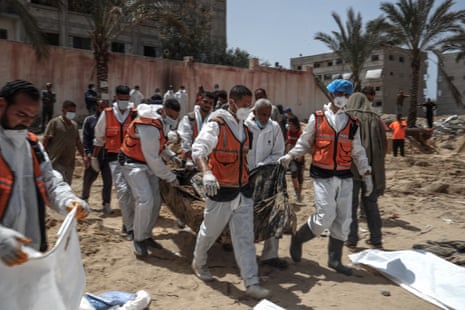
The experiences of humanitarian doctors underline the risks faced by healthcare workers in war zones.
While medical teams are expected to respond to emergencies and save lives, they must do so in environments where security conditions can change rapidly and access to patients can be restricted.
For humanitarian doctors, delivering healthcare in a conflict zone therefore involves not only medical expertise but also careful risk assessment, coordination and the ability to operate under extreme pressure.