


Nigeria’s Vice President, Kashim Shettima, has defended the economic and structural policies of President Bola Ahmed Tinubu, asserting that the administration’s reforms are difficult but ultimately in the best interest of the nation.
Abuja, Nigeria – July 15, 2025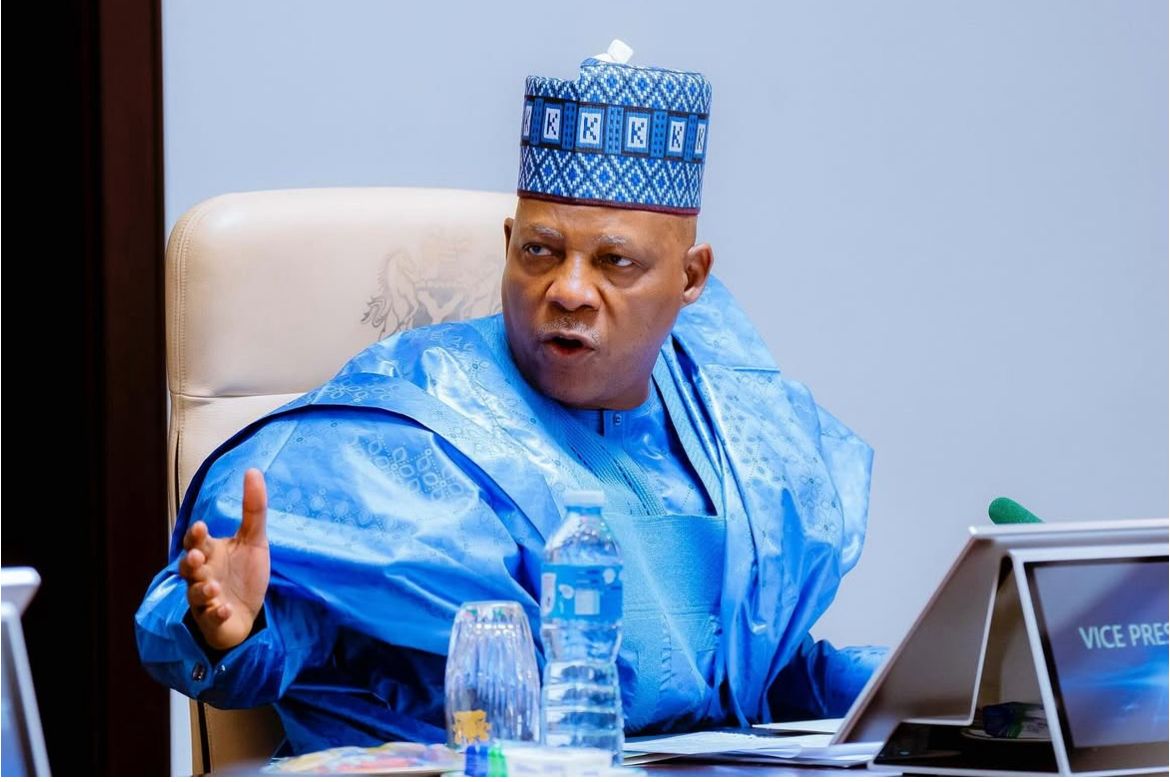
Speaking at the National Policy and Development Forum in Abuja on Monday, VP Shettima described Tinubu’s decisions — including the controversial fuel subsidy removal and exchange rate unification — as “bold moves that prioritize long-term national stability over short-term political popularity.”
“The President is not here to play to the gallery,” Shettima said. “He’s here to reset a damaged system. These policies are not pain-free, but they are necessary for the survival and prosperity of our country.”
Economic reforms has spark mixed reactions since Tinubu assumed office in May 2023, Nigeria has faced a wave of economic turbulence. The removal of fuel subsidies triggered nationwide inflation, with transportation, food, and basic services experiencing sharp price increases. The naira has also seen severe fluctuations under the unified exchange rate regime, leading to uncertainty among businesses and consumers.
Despite public hardship and protests, Shettima insisted that the government is committed to cushioning the impact through targeted interventions such as conditional cash transfers, MSME support programs, and infrastructure investments.
“We are not unaware of the suffering,” the Vice President added. “But no responsible government can continue a subsidy regime that benefits the rich more than the poor. What we are building is a new foundation, not a political illusion.”
Criticism from Labour and Opposition Labour unions and opposition parties have criticized the Tinubu administration’s pace and approach, accusing it of failing to implement adequate safety nets or consult widely before rolling out high-impact reforms.
The Nigeria Labour Congress (NLC) has described the subsidy removal as “economic cruelty,” warning that millions are slipping below the poverty line. The People’s Democratic Party (PDP) has also demanded a reversal or reconfiguration of certain policies, claiming they were rushed without structural safeguards.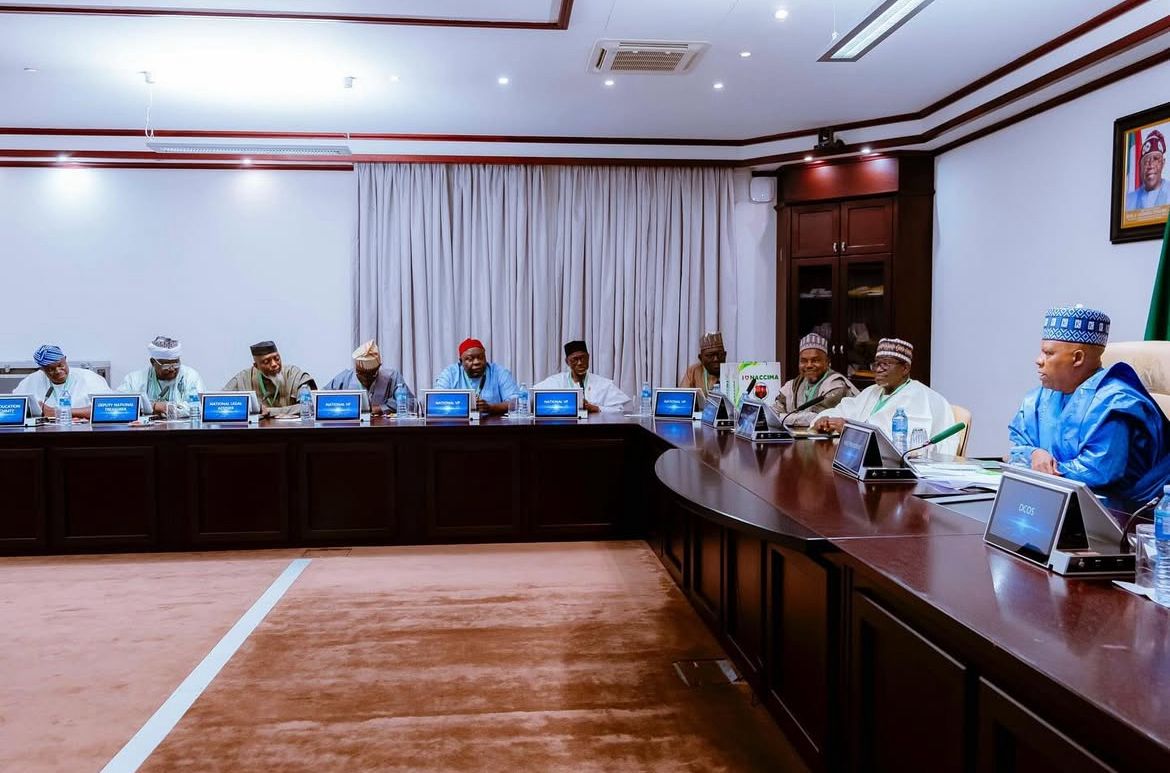
Analysts have said It’s a gamble Economic analysts remain divided. Some say Tinubu’s administration is correcting decades of fiscal mismanagement; others warn the reforms could collapse under weak implementation and a lack of institutional trust.
Dr. Ifeoma Nwosu, an economist at the University of Lagos, told reporters,
“The reforms make economic sense on paper. But without discipline, transparency, and aggressive poverty alleviation, they may deepen inequality and trigger unrest.”
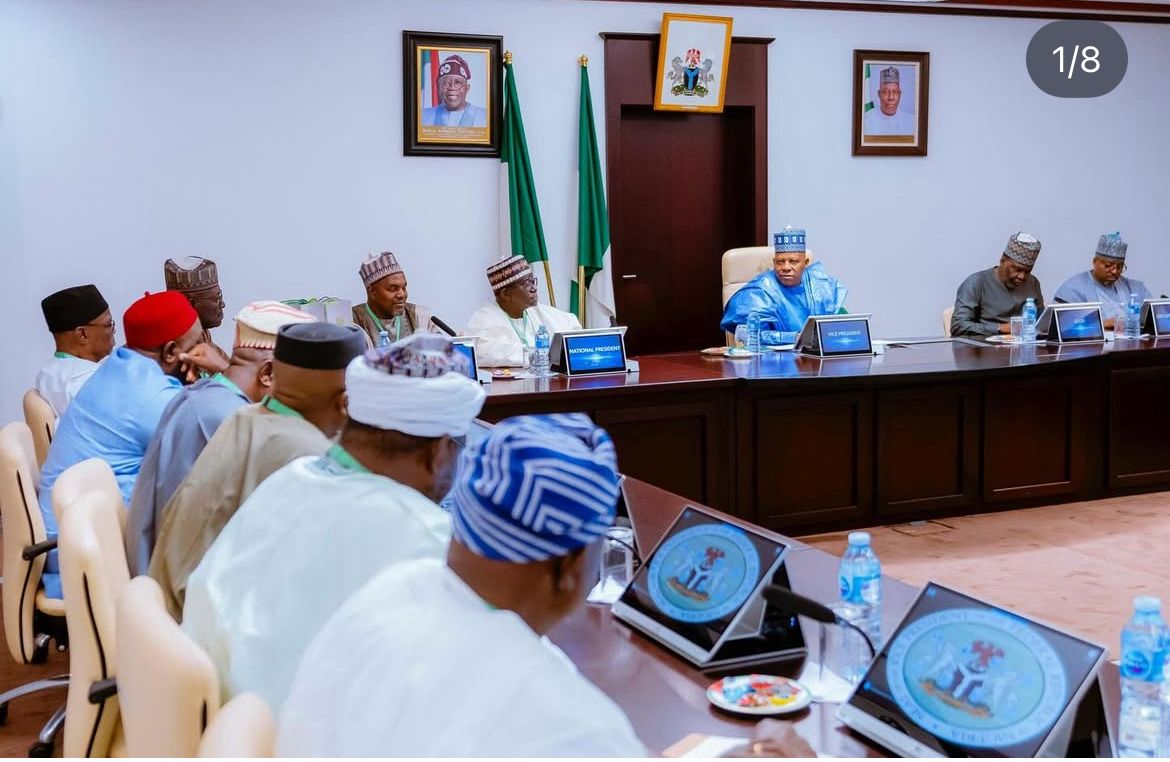
According the Vice President who met with the newly elected executives of the Nigerian Association of Chambers of Commerce, Industry, Mines and Agriculture (NACCIMA), led by their National President, Engr. Jani Ibrahim, who were on a courtesy visit to the Presidential Villa. During our interaction, said ” I affirmed that President Bola Ahmed Tinubu’s bold policies are being implemented in the interest of Nigerians, and I emphasised that the administration has created an enabling environment for serious business operations in the country”.
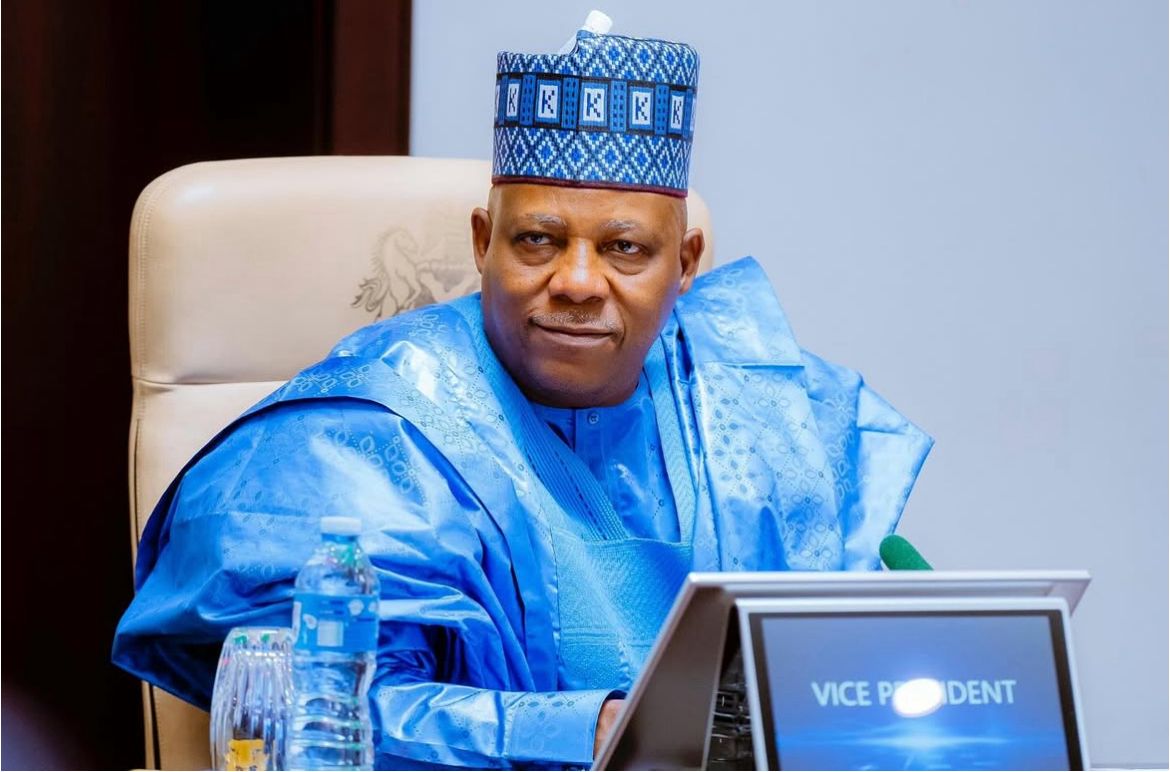
I also identified some of the bold initiatives taken by the administration in this regard to include the removal of fuel subsidy, the realignment of the multiple exchange rate system, and the ongoing tax reforms in the country
As public patience wears thin, many Nigerians are waiting to see whether the promised dividends of reform will materialize or remain rhetorical.
VP Shettima, however, remains confident:
“History will remember this administration not for convenience, but for courage.”
Related Stories:
-
Fuel Price Hits ₦950 in Some States as Subsidy Removal Bites
-
Naira Trades at ₦1480/$: Central Bank Faces Pressure Over FX Reforms
-
“Nigerians Are Suffering”: Labour Plans Nationwide Strike Over Cost of Living