


The 2025 Imo State Economic Summit opened on December 4 under the theme “Unlocking Imo’s Economic Potential: Partnership, Investment and Innovation.” What began as a local development forum quickly drew global attention, thanks to the presence of former British Prime Minister, Boris Johnson, along with a host of African and international dignitaries.
Owerri Imo State 
The summit — the first of its kind in nearly 50 years in Imo — represents a bold effort by the administration of Hope Uzodinma to recast his state as a hub for investment, modernization, and economic renewal.
In a keynote address that blended diplomacy with bravado, Boris Johnson dismissed widespread security concerns about Nigeria. Standing before a crowd of investors, foreign dignitaries, and state officials, he declared, “I feel perfectly safe here in Nigeria.”
He praised Imo’s renewed push for 24-hour electricity and framed artificial intelligence as a “colossal future driver” for clean energy and economic transformation. Johnson highlighted the long-standing exchange of talent and resources between Nigeria and the United Kingdom — oil, gas, Nollywood films, medical professionals — as proof of mutually beneficial ties.

The former U.K. premier’s message was unmistakably optimistic — a public vote of confidence in Imo State’s potential, at a moment when Nigeria as a whole wrestles with insecurity, inflation and trust deficits. Johnson was not alone. The summit roster glittered with heavyweight names: Aliko Dangote, Africa’s richest industrialist; Ban Ki‑Moon, the former United Nations Secretary-General; Joseph Boakai, President of Liberia; the Minister of Finance and Coordinating Economy of Nigeria, Wale Edun; and dozens of governors, African heads of state, global investors and business leaders.
Their presence signaled that Imo’s ambitions are not modest — but bold. Governor Uzodinma described the summit as a new beginning, positioning Imo as a land of opportunity, ready for industrialisation, infrastructure overhaul, energy reforms, and massive investment inflows. 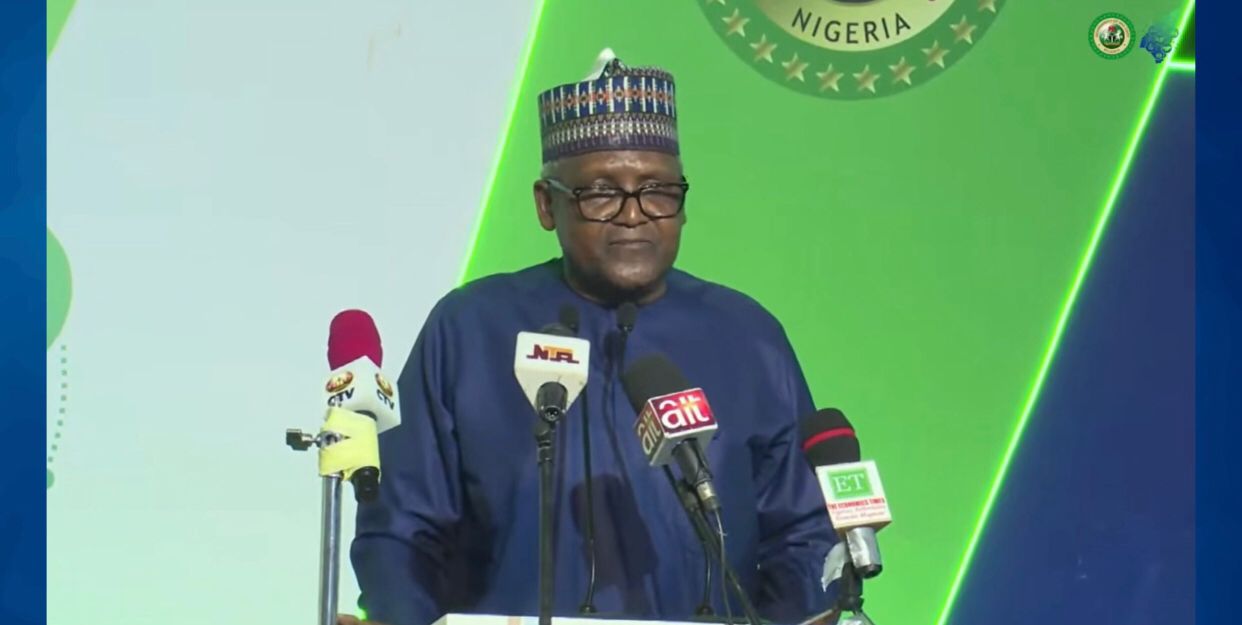
For many Imo indigenes and Nigerians watching, Johnson’s visit and the foreign turnout could mean: A renewed international spotlight on Imo’s resources — especially its abundant natural gas reserves. Potential investment in key sectors: energy, infrastructure, digital economy, agriculture — especially under the new plan for 24-hour electricity and other reforms. Growing confidence that global investors may consider Imo — and by extension, Nigeria — as a viable market.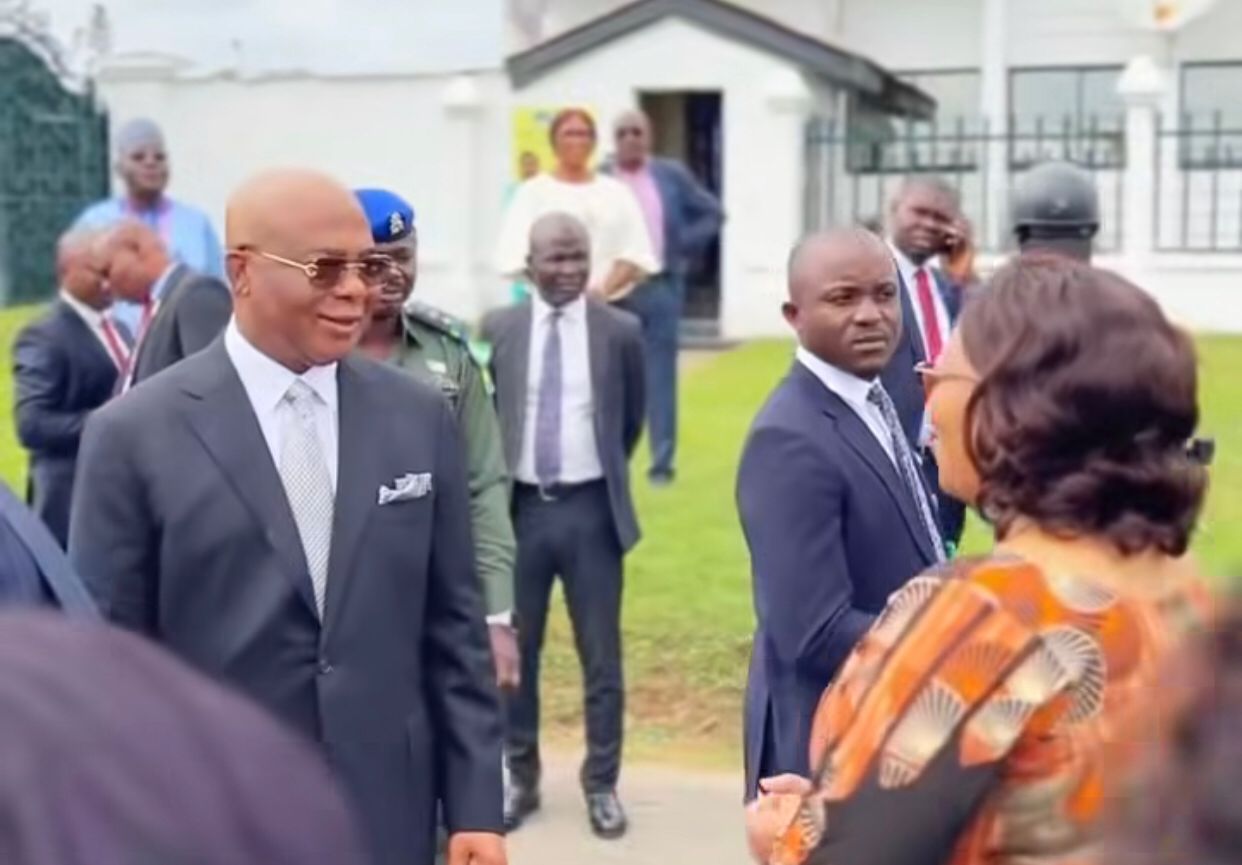
But for all the optimism, serious questions remain: Can the security concerns that plague Nigeria and many states be truly addressed? Johnson’s statements are encouraging, but critics argue that a brief visit cannot erase systemic issues. Will promised reforms — electricity, infrastructure, investment facilitation — be implemented transparently and equitably, or will they falter under corruption or mismanagement? Can the state government deliver on investor incentives, land administration reforms, and gas-sector promises that underpin much of the summit’s appeal?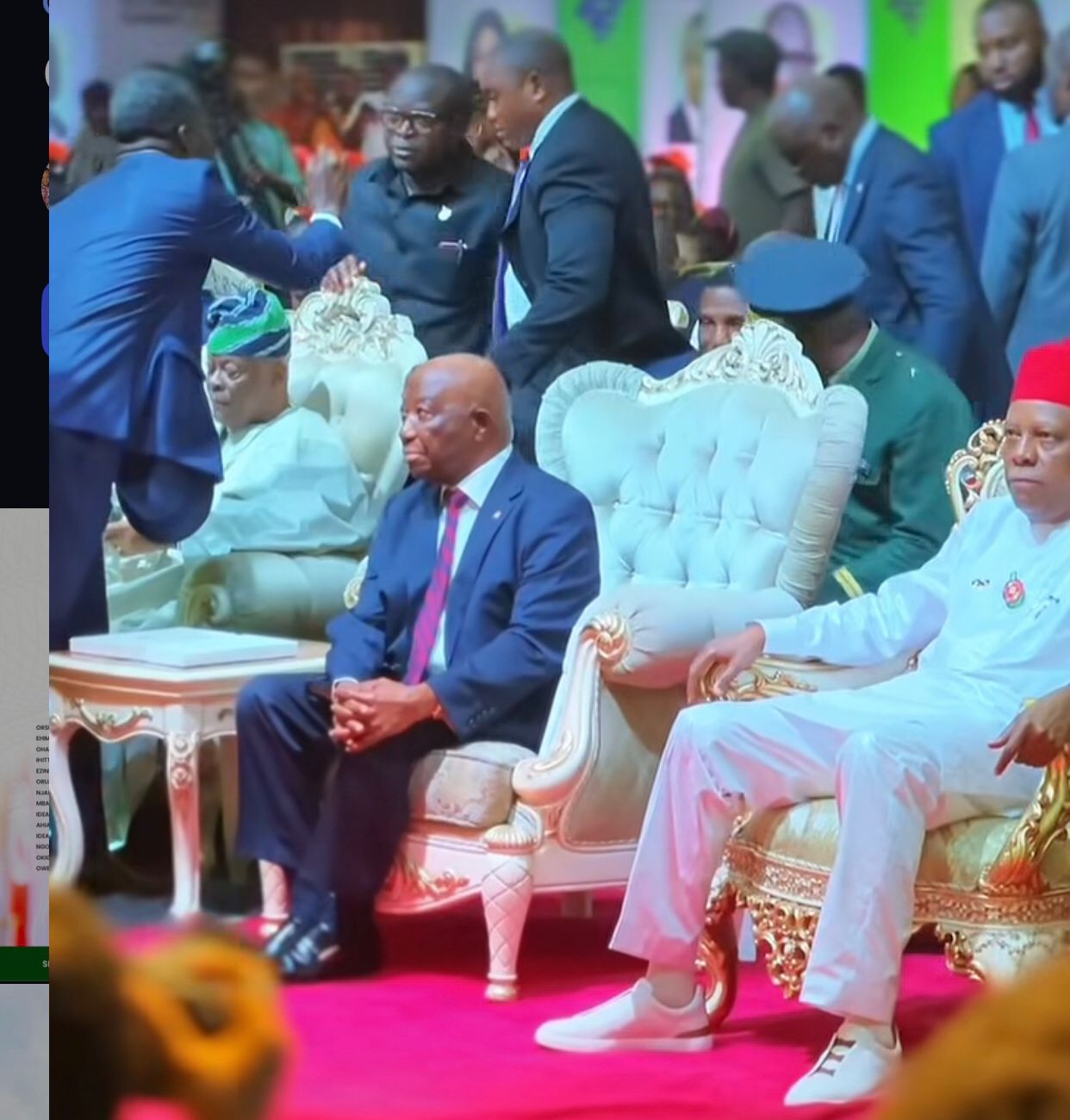
As foreign jets leave Owerri and the applause fades, the real work begins. The 2025 Imo Economic Summit with Johnson and global heavyweights. It has opened a door. What matters now is how far Imo steps through it. For Nigerians watching from Lagos to Maiduguri, this could be more than political theatre. It could mark a real shot at growth — if ambition meets governance, and promises meet delivery.
Only time will tell whether Imo’s new dawn will rise — or fade under the familiar clouds of expectation unmet.